
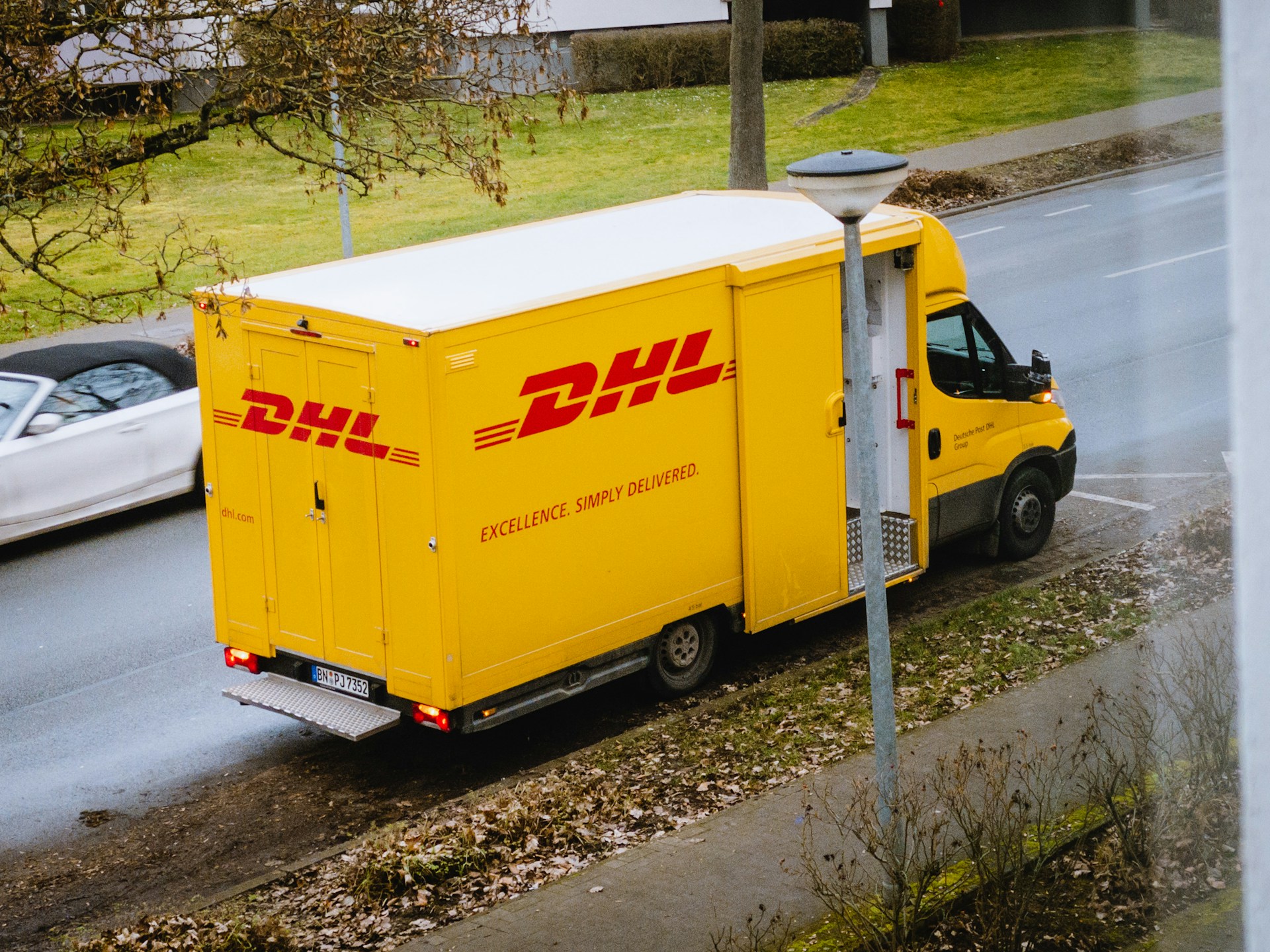
International logistics giant DHL recently announced that it will suspend the delivery of "business - to - consumer" (B2C) goods worth more than $800 to US consumers from April 21. The direct reason for DHL's decision is the surge in formal customs declarations caused by changes in US customs regulations. Under the new rules, goods previously valued between $800 and $2500 that could clear customs through simplified and expedited entry procedures now require formal customs declarations. This has significantly prolonged the customs clearance time for goods with a declared value exceeding $800. Unable to handle the surge in customs clearance operations in the short term, DHL has had to suspend related services to ensure service quality.
Problem Background
Recent tariff wars and a series of tariff policy adjustments initiated by the US Trump administration have had a significant impact on global trade and the logistics industry. Since taking office, Trump has continuously tightened US customs clearance procedures. On April 2, he signed an executive order stipulating that from May 2, the tariff exemption for small packages worth less than $800 from China and Hong Kong will be permanently terminated. Prior to this, on April 5, the US Customs responded to Trump's emergency reciprocal tariff order by amending the regulations to require formal customs procedures for all incoming shipments worth more than $800, compared to the previous minimum threshold of $2500.

Scope of Impact
Impact on the Cross - Border Trade Chain
- For Shippers and Individuals: Shippers and individuals will face issues such as reduced logistics channels and increased transportation costs. The transportation time for some goods may be prolonged, affecting business operations and personal item delivery. For example, sellers of high - priced goods (3C electronics, luxury goods, furniture, etc.), sellers of combination sets/large - package goods, and independent website sellers targeting individual consumers will be significantly affected, with logistics costs expected to rise by 30%-50%.
- For Consumers: US consumers may need to bear higher prices for imported goods, and the supply of some goods may be affected. For instance, the luxury industry is one of the hardest - hit sectors, and consumers may face increased costs when purchasing related products.
The "Mixed Blessing" of Overseas Warehouses
- Increased Demand for Overseas Warehousing of Some Goods: As B2C goods worth more than $800 cannot be quickly delivered to the US via couriers like DHL, some sellers may choose to pre - stock these goods in US overseas warehouses and switch to local delivery. This avoids entry restrictions and meets US consumers' requirements for product timeliness, thereby increasing the business volume of overseas warehouses in storing and distributing these goods. For example, sellers of high - value electronics and luxury goods may increase their inventory in overseas warehouses.
- Challenges of Inventory Backlog and Allocation: Blind inventory stocking of goods with long sales cycles and unstable demand (such as seasonal goods) is prone to inventory backlog, leading to increased capital occupation and warehousing costs. Overseas warehouses need to use big data and artificial intelligence technologies to optimize sales forecasting and inventory management. Additionally, there may be risks of difficult inventory allocation and failure to respond promptly to market demand changes. For example, when demand for goods in a certain region/category surges, goods may not be able to be allocated in a timely manner due to policy reasons.
Future Trends
- Monitor Policy Changes: US tariff and customs regulations are frequently changing and uncertain. Other logistics providers need to closely follow relevant US policy developments and promptly adjust their business strategies and operational plans to cope with potential policy adjustments and trade barriers, avoiding business disruptions and cost increases due to policy changes.
- Assess Risks and Costs: Logistics providers need to comprehensively assess goods transported to the US, including goods value, customs clearance difficulty, transportation costs, etc., and make advance risk warnings and response measures. For high - value goods, they should fully consider the risks of customs clearance delays and additional fees and reasonably plan transportation schemes and pricing strategies.
- Expand Business Channels and Diversify Layouts: To reduce dependence on and risks from the US market, logistics providers can consider expanding into other overseas markets, diversifying business layouts, and seeking new business growth points. At the same time, they should strengthen cooperation with partners in different regions and countries to establish a broader logistics network and improve business risk - resistance capabilities.
- Enhance Service Quality and Efficiency: In the current complex trade environment, logistics providers should focus on improving service quality and efficiency, optimizing logistics processes, strengthening communication and information sharing with customers, and timely feedback on goods transportation status to improve customer satisfaction and enhance market competitiveness.